
Normal Mole or Melanoma? 5 Symptoms You Must Not Ignore


Most people have moles, freckles, or spots on their skin. In many cases, they are completely harmless. But sometimes, a changing spot can be one of the earliest melanoma symptoms — and knowing what to look for could make a critical difference.
Melanoma is the most serious type of skin cancer. It can spread quickly if left untreated, but when detected early, treatment outcomes are often highly successful.
The challenge is that cancerous moles do not always look dramatic or obvious. Some changes happen gradually over weeks, months, or even years.
If you’ve recently noticed a spot that feels different, looks unusual, or has changed over time, this guide will help you understand the melanoma symptoms you should never ignore.
What Does Early Stage Melanoma Look Like?
Early melanoma can appear in many different ways.
Some melanomas are dark and uneven. Others may look flat, light brown, pink, or even resemble a harmless mole. They can appear anywhere on the body — not just areas exposed to the sun.
That’s why dermatologists often recommend using the ABCDE rule when checking your skin.
The ABCDE Rule for Melanoma:
A — Asymmetry
A normal mole is usually symmetrical. If one half of a spot looks different from the other, it may be worth investigating.
B — Border
Healthy moles typically have smooth and even edges. Cancerous moles may develop irregular, blurred, or scalloped borders.
C — Colour
Uneven colour is one of the most common melanoma symptoms. Watch for spots containing multiple shades of brown, black, red, white, blue, or pink.
D — Diameter
A mole larger than 6mm may require attention — especially if it continues growing over time.
E — Evolving
Perhaps the most important warning sign is change.
A mole that changes in:
size
colour
shape
texture
elevation
should always be professionally assessed.
Some melanomas also become itchy, tender, crusted, or begin bleeding.
Normal Moles vs. Atypical Moles
Most normal moles:
remain stable over time
have consistent colour
appear round or oval
have smooth borders
Atypical or cancerous moles often behave differently.
One helpful method is called the “ugly duckling” rule: look for a spot that stands out from the rest of your moles.
If one mole looks noticeably different from nearby spots, it may deserve closer attention.
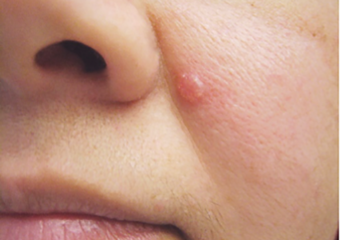
It’s also important to remember that melanoma does not always appear as a dark mole. Some melanomas may look pink, skin-coloured, or slightly raised.
5 Common Melanoma Symptoms You Must Not Ignore
1. A Spot That Changes Over Time
Many melanoma symptoms involve gradual change.
If a mole starts growing, darkening, becoming uneven, or changing shape, do not ignore it.
2. A New Spot Appearing As An Adult
New moles appearing later in life can sometimes be concerning, especially if they look different from your existing moles.
3. Itching, Bleeding, Or Crusting
Cancerous moles may become irritated, scaly, itchy, or start bleeding without obvious injury.
4. A Spot That Looks Different From The Rest
The “ugly duckling” sign is important.
If one spot looks unusual compared to your other moles, it’s worth getting checked.
5. A Mole That Feels Firm Or Raised
Some melanomas become raised, firm, or develop a rough texture over time.
Not all dangerous spots are flat.
When To Book A Professional Spot Check
It’s completely normal to feel anxious after noticing a suspicious mole or skin change.
Many people delay booking a skin check because they:
hope it’s nothing
are unsure what they’re seeing
feel nervous about what they might find
But early detection matters.
The earlier melanoma symptoms are identified, the more treatment options are available.
At Avatar Imaging, our professional skin assessments are designed to help identify suspicious changes using advanced imaging and clinical review.
If you are concerned about a specific spot, changing mole, or unusual skin change, a professional spot check can help provide clarity and reassurance.
For patients wanting a more comprehensive approach, our 3D Full Body Skin Cancer Scan helps monitor the skin over time and detect subtle changes that are difficult to track from memory alone.
Don’t Ignore Changes In Your Skin
Many people wait until a mole becomes painful, raised, or obviously abnormal before taking action.
But melanoma symptoms can begin subtly.
If something looks new, changing, or simply “not quite right,” trust your instincts and get it checked professionally.
Early detection could make all the difference.


Comments