
What is skin cancer? Early signs and treatment options
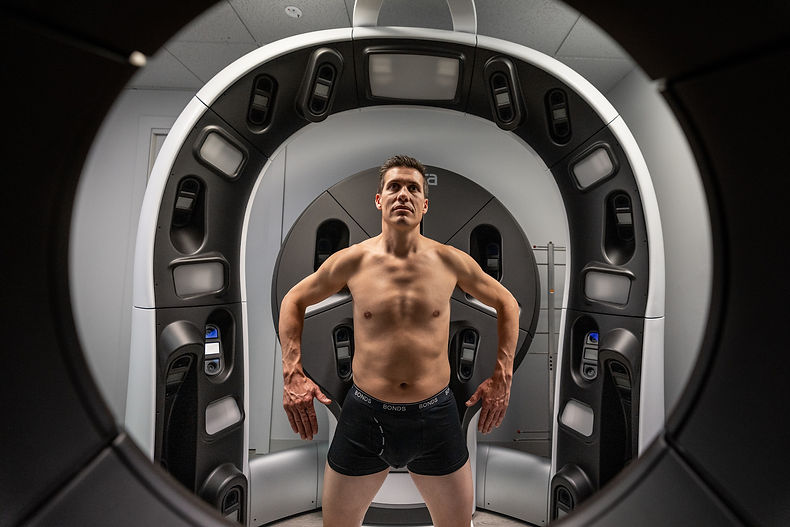
Skin cancer is one of the most common cancers, yet many people are unsure what to look for. Here, the team at Avatar Imaging explains what skin cancer is, the different types and common signs of skin cancer as well as answer the question, "What does skin cancer look like in its early stages?"
No Referral Required
Advanced 3D Technology
Same Week Availability
Absolute Peace of Mind

What is skin cancer?
Skin cancer occurs when abnormal skin cells grow uncontrollably, often as a result of prolonged exposure to ultraviolet (UV) radiation from the sun. It is one of the most common types of cancer, particularly in countries like Australia, where UV levels are among the highest in the world.
Types of skin cancer
There are three main types of skin cancer:
Melanoma: The least common but most serious type. Carries the highest risk of spreading beyond the skin's surface. Early clinical intervention is essential for a positive outcome.
Basal Cell Carcinoma (BCC): The most common form. While slow-moving, it can cause cumulative damage to healthy skin.
Squamous Cell Carcinoma (SCC): Known for rapid progression and may spread to other areas of the body if left untreated.
Each type can present differently, which is why regular monitoring and professional skin checks are essential.


What does skin cancer look like?
A common question people ask is, “What does skin cancer look like when it first appears?” This depends on the specific type of skin cancer. Skin cancer spots may appear as:
A new mole or growth
A spot that changes in size, shape or colour
A sore that doesn’t heal
A patch of skin that looks different from surrounding areas

Signs of skin cancer to watch for
Recognising the signs of skin cancer early can make a significant difference. One helpful way to assess your skin is by using the SCAN method:
S — Sore: A spot that is tender, sore or not healing
C — Changing: Any change in size, shape, colour or texture over time
A — Abnormal: A spot that looks different from others on your skin
N — New: The appearance of a new spot that stands out or behaves differently
In addition to these signs, pay attention to any new or unusual spots, particularly those that itch, bleed or do not heal. If you notice anything concerning, it’s important to seek professional advice.
Treating melanoma and other skin cancers
Early detection is the critical factor in determining your treatment path. Because melanoma carries a high life-altering risk and tends to metastasise quickly, surgical intervention is the standard. However, many other skin cancers can be managed with alternative therapies when identified early.
At Avatar Imaging, we invest in advanced diagnostic technology specifically to catch these conditions early enough to offer choice in your care. We provide a comprehensive suite of services designed to both treat and prevent progression. This includes Photodynamic Therapy (PDT) using medical-grade red light and ALA for targeted treatment and specialised prescriptions for topical creams for pre-cancerous lesions and superficial skin cancers.
To further reduce risk, we also provide medical-grade chemical peels and other preventative treatments, as well as lifestyle advice that supports overall skin health to help inhibit the formation of non-melanotic cancers.
Book a skin cancer check at Avatar Imaging
If you’re concerned about changes in your skin or want to take a proactive approach to your health, booking a professional skin check is an important step. At Avatar Imaging, skin checks are designed to provide a complete and accurate assessment, helping ensure that any changes are identified early and monitored over time.
Take control of your skin health today and book a comprehensive check with Avatar Imaging.