
What Is A Mole Check?


A mole check is a professional skin assessment designed to identify suspicious spots, lesions or changes that may indicate skin cancer or pre-cancerous damage. In Australia, where UV exposure is among the highest in the world, regular skin surveillance plays an important role in early detection.
Many skin cancers can develop with little to no obvious symptoms in the early stages. This is why early assessment and mole mapping matter. Detecting changes sooner may provide more treatment options and help reduce the risk of progression.
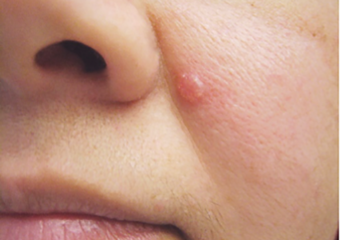
The SCAN method for self-checking
You are often the first person to notice changes in your skin, which is why regular self-checks can play an important role in identifying spots that may need professional attention. The SCAN method is a simplified tool designed to help you recognise spots that should be professionally assessed.
Look for spots that are:
Sore
Changing
Abnormal
New
If you notice a spot that may fit any part of the SCAN criteria, book an appointment with a clinician for further assessment.
The difference between mole checks and mole mapping
A mole check and mole mapping are related, but they are not the same service.
Level 1: Targeted mole or spot check
A targeted mole or spot check is a shorter consultation focused on specific lesions or moles identified by the patient as concerning.
Level 2: Full-body skin check
A full-body skin check involves a comprehensive clinical assessment of the skin from head to toe, often using a dermoscope for closer examination.
Level 3: 2D mole mapping
2D mole mapping captures full-body photographs and records visible moles as 2D images. These images may be stored digitally or provided in a booklet format for future comparison.
Level 4: Advanced 3D digital surveillance
Advanced 3D digital surveillance uses specialised imaging systems to create a precise 3D avatar of the patient’s skin surface.
This approach may include:
Mapping spots over 2mm onto a 3D model
Automatically counting and measuring lesions
Categorising visible spots
High-magnification dermatoscopic imaging of suspicious lesions
Long-term monitoring for future comparison
Understanding how mole scans work
Modern mole scanning combines clinical expertise with imaging technology to monitor skin changes over time.
Visual skin exam vs digital mole mapping
A visual skin exam is performed by a clinician using direct observation and tools such as a dermoscope to assess visible lesions.
Digital mole mapping adds another layer of documentation by capturing images that can be compared over time. A mole map can help identify subtle changes that may not be easily noticed during routine self-checks.
Advanced 3D systems may also allow clinicians to:
Track lesions across the entire body
Detect newly appearing spots
Compare lesion size and shape over multiple visits
Integrate dermatoscopic images into long-term records
Who should get regular mole checks
Anyone can develop skin cancer, but some people may benefit from more regular monitoring.
Risk factors and skin types
You may be at higher risk if you have:
Fair skin or light eyes
A history of frequent sun exposure
A large number of moles
A personal or family history of skin cancer
Previous severe sunburns
A weakened immune system
Outdoor work or sporting hobbies
Even people without obvious risk factors should monitor their skin and seek professional assessment if they notice concerning changes.
FAQs
How long does a mole check take?
A targeted spot check is usually shorter and focuses on specific concerns. More comprehensive full-body assessments or advanced digital surveillance appointments may take longer due to imaging and documentation.
Are mole checks painful?
No. Mole checks and digital imaging are non-invasive procedures. If a clinician identifies a lesion requiring biopsy, they will explain the next steps separately.
How often should you get a mole check?
The frequency depends on your individual risk factors, medical history and clinician recommendations. People at higher risk may benefit from more regular surveillance.
Book a skin surveillance appointment with Avatar Imaging
At Avatar Imaging, we use advanced 3D imaging technology to help monitor your skin over time. Whether you have a spot you would like checked or are interested in more comprehensive monitoring, our team offers targeted spot checks, full-body skin checks and advanced 3D digital mole maps tailored to your needs.
Book an appointment with Avatar Imaging to learn more about your options for ongoing skin monitoring and early detection support.


Comments